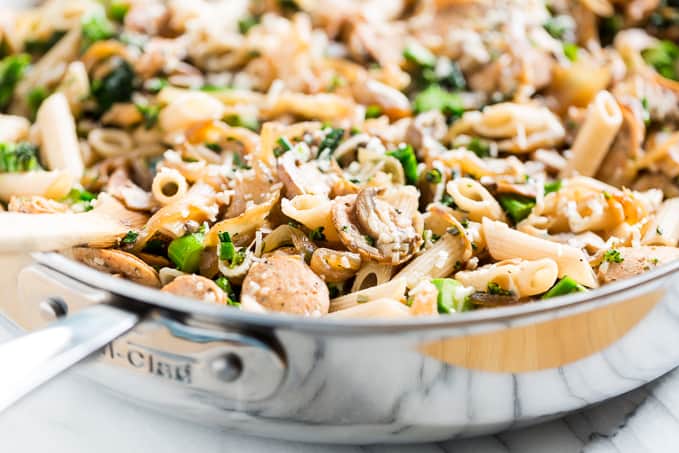
Gluten-Free Rustic Italian Sausage Pasta: Healthy & Flavorful Tips
There's something uniquely comforting about a classic pasta dish, especially when it's packed with robust flavors and wholesome ingredients. Our focus today is on a beloved Italian staple: a
rustic Italian sausage pasta with broccoli rabe that’s not only incredibly delicious but also thoughtfully adapted to be gluten-free and health-conscious. Forget any notions that healthy eating means sacrificing flavor or heartiness; this recipe proves you can have it all – a cozy, satisfying meal that’s rich in protein, loaded with vibrant vegetables, and delivers that authentic Italian zest we all crave.
This dish epitomizes the "rustic" approach to Italian cooking – simple, honest ingredients transformed into something extraordinary with minimal fuss. It’s a perfect example of how a few quality components can create a profound depth of flavor. Whether you're a long-time fan of Italian cuisine or new to the wonders of broccoli rabe, prepare to discover a meal that will quickly become a favorite in your healthy eating repertoire.
The Allure of Rustic Italian Comfort: Why This Dish Shines
Rustic Italian cooking isn't about elaborate presentations or complicated techniques; it's about celebrating fresh, seasonal ingredients and time-honored flavor combinations. This
rustic Italian sausage pasta with broccoli rabe fits that description perfectly. It’s the kind of meal that evokes images of nonnas stirring pots in sun-drenched kitchens, a dish passed down through generations for its comforting simplicity and undeniable deliciousness.
What makes this particular pasta dish truly shine is its harmonious blend of flavors and textures. The savory, spiced Italian sausage marries beautifully with the slightly bitter, earthy notes of broccoli rabe. When combined with perfectly cooked gluten-free pasta and a light, emulsified sauce created from starchy pasta water and rich Parmesan cheese, the result is nothing short of culinary magic. It's a meal that feels indulgent without being heavy, satisfying without being complicated.
Beyond its incredible taste, this dish offers significant health benefits. It's a powerhouse of protein from the sausage, fiber and vitamins from the broccoli rabe, and if you choose a whole grain gluten-free pasta, you're adding complex carbohydrates and additional nutrients. It’s an ideal choice for a busy weeknight dinner, a cozy "date night in," or a hearty family gathering, demonstrating that healthy eating can also be profoundly satisfying and full of character. For a deeper dive into its comforting appeal, you might enjoy reading
Rustic Italian Sausage Pasta with Broccoli Rabe: Healthy & Easy Comfort.
Crafting the Perfect Gluten-Free Base
Embracing a gluten-free lifestyle no longer means saying goodbye to beloved pasta dishes. The market now boasts an impressive array of high-quality gluten-free pastas that can stand proudly alongside their wheat-based counterparts.
Choosing Your Gluten-Free Pasta
When I first transitioned to a gluten-free diet, I worried my pasta days were over. Thankfully, that couldn't be further from the truth! The key is selecting the right brand and type. Many brands now offer fantastic gluten-free options that hold their texture and flavor beautifully.
*
Brown Rice Pasta: Brands like Delallo and Jovial, as mentioned in our reference, produce excellent brown rice pastas. They offer a slightly chewy texture and a mild flavor that doesn't overpower the other ingredients. This is often a great starting point for those new to gluten-free pasta.
*
Lentil or Chickpea Pasta: For an extra boost of protein and fiber, consider pastas made from lentils or chickpeas. These can have a slightly denser texture and a distinct, nutty flavor that complements the robust notes of sausage and broccoli rabe remarkably well. They're also fantastic for making the meal even more filling and nutritious.
*
Quinoa Pasta: Another good option offering a complete protein and pleasant texture.
No matter which you choose, always cook gluten-free pasta according to package directions, paying close attention to recommended cooking times, as they can vary significantly from traditional pasta. Al dente is always the goal for the best texture in a sauce-based dish.
The Power of Broccoli Rabe (and Smart Substitutions)
Broccoli rabe, also known as rapini, is the star green in this dish, and for good reason. Its slightly bitter, earthy flavor with a hint of pepperiness provides a wonderful counterpoint to the richness of the Italian sausage. It's also packed with nutrients, including vitamins A, C, and K, as well as folate, potassium, and fiber. Many grocers now offer pre-washed packages, making prep a breeze.
However, if broccoli rabe isn't available or if its unique bitterness isn't to your liking, don't despair! This recipe is incredibly adaptable.
*
Regular Broccoli Florets: As suggested, regular broccoli is an excellent substitute, offering a milder, sweeter flavor profile and a satisfying crunch. Simply chop into bite-sized florets.
*
Broccolini: A hybrid of broccoli and Chinese kale, broccolini has tender stems and smaller florets, offering a delicate sweetness that works well.
*
Spinach or Kale: For a different texture and flavor, baby spinach wilts beautifully into the pasta, or chopped kale can add a more robust, slightly bitter note. Just be sure to add these softer greens towards the end of the cooking process.
Flavor Foundations: Caramelization and Savory Sausage
The true depth of flavor in this
rustic Italian sausage pasta with broccoli rabe largely hinges on two critical components: perfectly caramelized onions and high-quality Italian sausage. These aren't just ingredients; they are the bedrock upon which the entire dish is built.
The Magic of Caramelized Onions
Do not underestimate the power of caramelized onions. While it might feel like an extra step that takes 15-20 minutes, this time is absolutely non-negotiable for achieving the foundational sweetness and complexity that defines this dish. As onions slowly cook over medium-low heat, their natural sugars undergo a transformation through the Maillard reaction, resulting in a rich, deeply savory, and subtly sweet flavor that permeates every bite. This isn't just about cooking onions; it's about unlocking their full flavor potential.
To properly caramelize:
1. Slice onions into 1/4-inch thick half-moon slices for even cooking.
2. Use a sturdy pan (cast iron works beautifully) with a good amount of olive oil or a mix of olive oil and butter.
3. Cook them slowly, stirring occasionally, until they turn a deep golden-brown, almost mahogany color. Patience is key here; rushing will lead to browned, not caramelized, onions.
While the onions are doing their delicious work, you can use this time efficiently to prepare the rest of your ingredients, like chopping the broccoli rabe and slicing the sausage, saving valuable time later on.
Sourcing the Best Italian Sausage
The quality of your Italian sausage will significantly impact the final flavor. Look for high-quality pork or chicken Italian sausage from a reputable butcher or trusted brand. You'll typically find two main types:
*
Sweet Italian Sausage: This variety is seasoned with fennel seeds, garlic, and sometimes paprika, offering a milder, aromatic profile.
*
Hot Italian Sausage: For those who prefer a little kick, hot Italian sausage includes red pepper flakes, adding a delightful warmth and spice.
You can buy it in casings and remove the meat, or opt for bulk Italian sausage for convenience. Always aim for a brand that uses good quality meat and natural seasonings. The fat rendered from the sausage during cooking will become an integral part of our rustic "sauce," infusing the entire dish with its rich, savory essence. For a recipe focused on making the most of these robust flavors, see
Classic Italian Sausage & Broccoli Rabe Pasta: Quick Weeknight Dinner.
Assembling Your Masterpiece: Tips for a Seamless Experience
Bringing this
rustic Italian sausage pasta with broccoli rabe together is surprisingly straightforward once your foundational ingredients are prepped. The beauty of this "one-pot-ish" style of cooking is how all the flavors meld and deepen.
1.
Start with the Onions: As established, begin by slowly caramelizing your sliced onions in a large, deep skillet or Dutch oven. This sets the stage for flavor.
2.
Add the Sausage: Once the onions are golden and tender, add your Italian sausage (removed from casings if necessary). Break it up with a spoon and cook until nicely browned and cooked through. Drain any excessive fat, but leave enough to coat the pan and mingle with the onions.
3.
Introduce the Broccoli Rabe: Stir in your chopped broccoli rabe (or chosen alternative). Sauté for a few minutes until it begins to tenderize and brightens in color. If using tougher greens like kale, you might want to add a splash of water or broth and cover briefly to help them steam and wilt.
4.
Cook the Pasta: While the sausage and rabe are cooking, boil your chosen gluten-free pasta in a separate pot of salted water according to package directions. *This is crucial:* Before draining, reserve at least 1-2 cups of the starchy pasta cooking water. This starchy liquid is the secret to our rustic sauce.
5.
Combine and Create the Sauce: Add the freshly cooked pasta directly to the skillet with the sausage and broccoli rabe mixture. Ladle in about half a cup of the reserved pasta water. Stir vigorously, allowing the starch from the pasta water to emulsify with the sausage drippings and a sprinkle of freshly grated Parmesan cheese (if using). This creates a light, glossy, and incredibly flavorful "sauce" that coats every strand of pasta. Add more pasta water as needed until you reach your desired consistency.
6.
Finishing Touches: Serve immediately with an extra showering of freshly grated Parmesan. Remember the warning about pre-grated parmesan (often containing anti-caking agents like wood fiber) – grating your own not only tastes infinitely better but ensures you know exactly what you're eating! For a dairy-free alternative, a sprinkle of toasted pine nuts adds a lovely crunch and nutty flavor, or nutritional yeast can provide a cheesy essence. A squeeze of fresh lemon juice at the end can brighten all the flavors beautifully.
This method results in a cohesive dish where every component is infused with the rich, savory, and slightly bitter notes of its counterparts, delivering an authentic rustic Italian experience that is both healthy and deeply satisfying.
Conclusion
This gluten-free
rustic Italian sausage pasta with broccoli rabe is more than just a recipe; it's an invitation to savor simple, honest flavors and enjoy truly comforting, healthy food. By combining the earthy bitterness of broccoli rabe, the savory depth of Italian sausage, and the satisfying texture of gluten-free pasta, we’ve created a dish that’s both nourishing and incredibly flavorful. It's a testament to the fact that wholesome ingredients, prepared with a little patience and love, can yield extraordinary results. So, gather your ingredients, take the time to caramelize those onions, and prepare to delight your taste buds with this wholesome and unforgettable Italian classic.